Language
Iranian PhD student performs Guqin at Wuhan's Guqin Zhiyin Cultural Week

以琴为桥 觅得知音
——我校伊朗籍博士生李米雅登台古琴台知音文化周

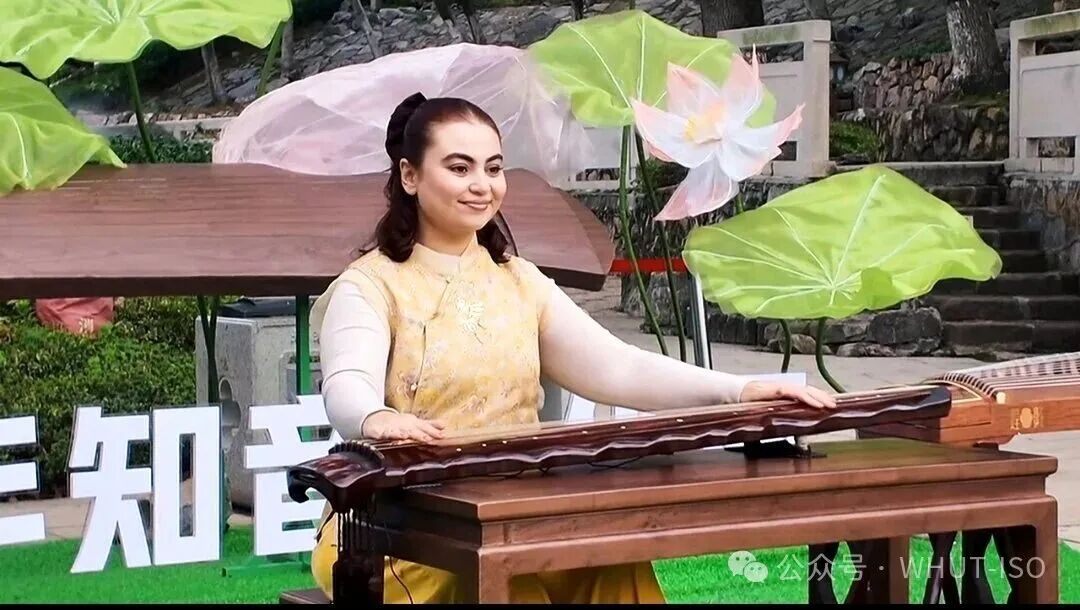
近日,2026古琴台知音文化周重点专场古琴吟诵音乐会在汉阳古琴台上演。我校管理学院工商管理学专业2026级博士研究生、伊朗籍留学生李米雅(Kimia)受邀登台,独奏古琴曲《秋风词》,成为本场音乐会唯一一位外籍演奏者。
本场音乐会由恺元堂古琴社与湖北省文化遗产保护研究会古琴吟诵专委会共同举办,是洪山区“非遗正青春”品牌的重要落地项目。本次演出汇集廖婷婷、陶健、陈思中等古琴、吟诵领域非遗代表性传承人,文华学院、中南民族大学等高校师生同台献艺,现场呈现《良宵引》《蒹葭》《渔樵问答》《流水》《梅花三弄》等十余首传世古曲。
李米雅是我校中国政府奖学金高水平研究生项目奖学金学生,此前以自费方式在我校管理学院完成MBA学业。音乐自童年起便是她生活的一部分。抵华之初,她便主动走近中国传统音乐,在众多民族乐器中选择了古琴,希望自己在中国的经历不止于学业,而成为一场文化发现之旅。习琴使她懂得耐心与专注,也让她理解每一个音符背后的情绪。
得知古琴与武汉的知音渊源后,她深受触动:俞伯牙与钟子期的故事,孕育出“因音乐而彼此懂得”的“知音”概念。她说,也许不是自己选择了古琴,而是古琴选择了她,让她成为这段千年文化故事的一部分。来自伊朗的她,也由此看到波斯文化与中国文化在“以音乐表达语言所不能及”上的相通。
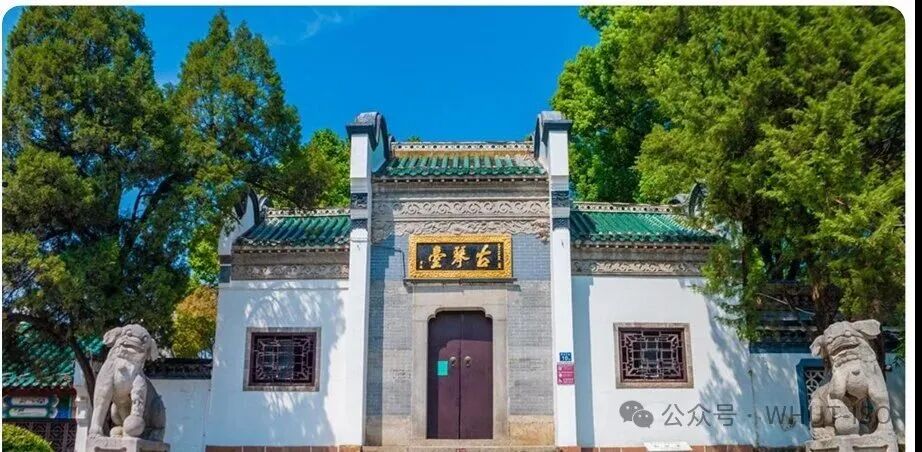
作为全场唯一的外籍演奏者,李米雅与多位古琴名家、非遗传承人同台,以《秋风词》的琴音跨越语言与文化的隔阂,让千年古琴艺术在知音故里收获海外知音。她的亮相,是学校“专业学习+文化浸润”国际学生培养路径的生动实践,也是我校国际学生主动了解、体验、传播中华优秀传统文化的缩影。
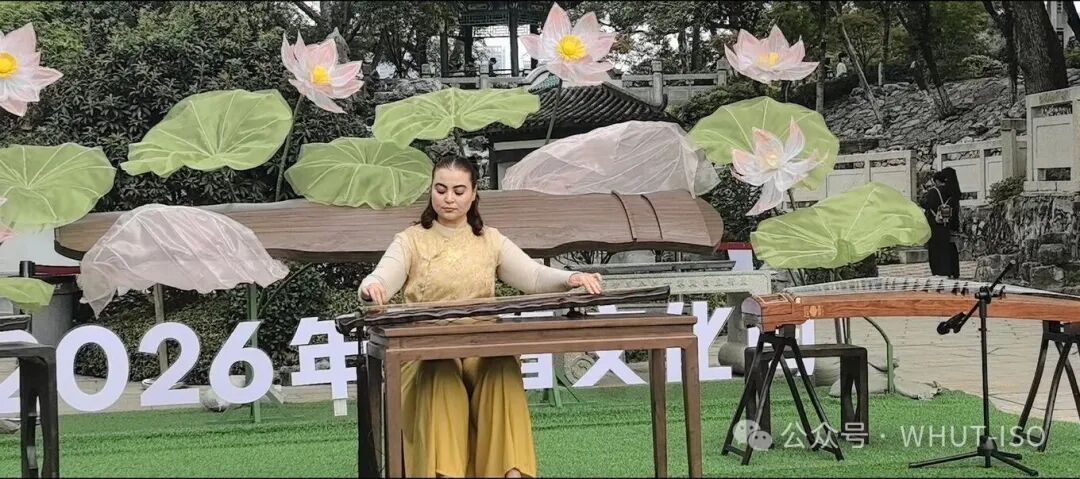
下一步,学校将持续深化拓展中外人文交流渠道,鼓励更多国际学生走进非遗、参与传承,以真实体验向世界讲述中国故事。


Iranian PhD student performs Guqin at Wuhan's Guqin Zhiyin Cultural Week
Kimia, an Iranian doctoral student in business administration at Wuhan University of Technology (WUT), performed the traditional guqin piece Qiufeng Ci at the 2026 Guqin Zhiyin Cultural Week in Wuhan, Hubei Province. She was the only foreign performer at the recital concert.
The concert was co-hosted by the Kaiyuantang Guqin Society and the Guqin Chanting Committee of the Hubei Cultural Heritage Protection Research Association, and staged at the historic Guqin Terrace in Hanyang. It brought together inheritors of Hongshan District's intangible cultural heritage, including guqin and chanting masters Liao Tingting, Tao Jian and Chen Sizhong, alongside teachers and students from WUT, Wenhua College and South-Central Minzu University.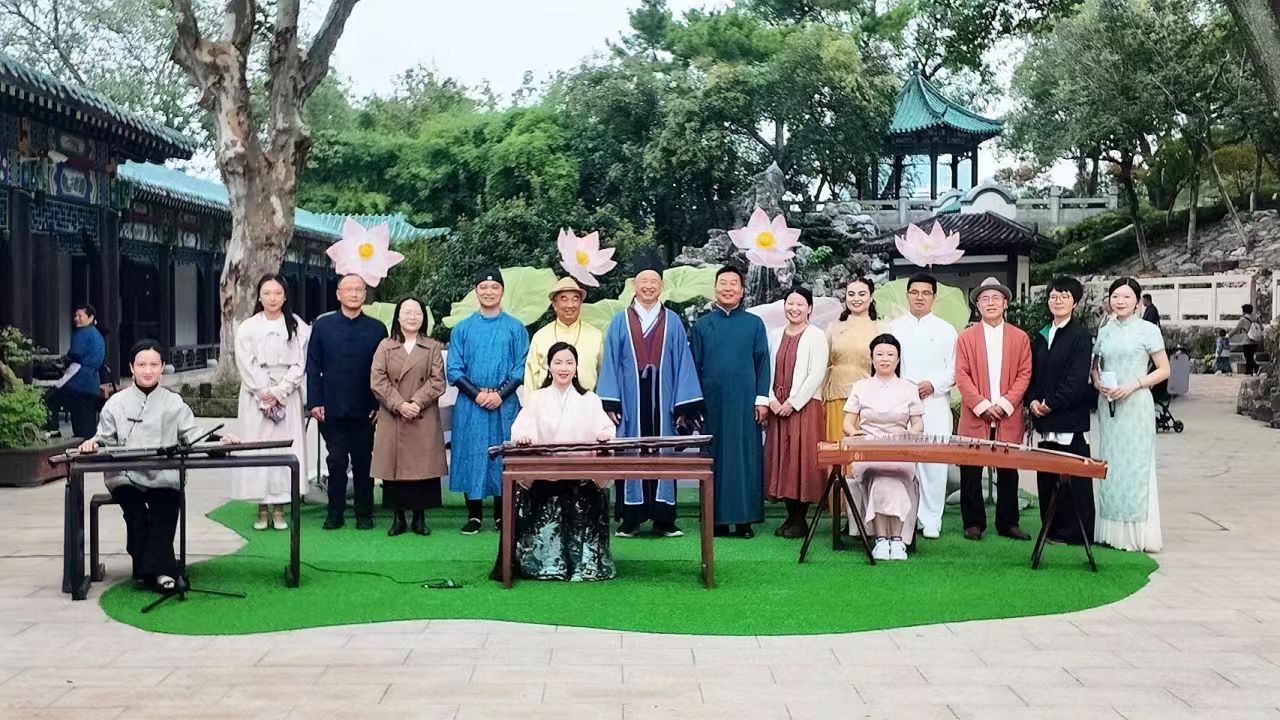
Kimia is a Chinese Government Scholarship student under High Level Postgraduate Program. She previously earned an MBA at WUT's School of Management as a self-funded student. Music has been part of her life since childhood. After arriving in China, she sought to learn a traditional Chinese instrument and was drawn to the guqin for its elegant sound, rich history and philosophical depth. “Living in China offered me a unique opportunity to explore its musical heritage and learn directly from Chinese teachers,” she said.
She was later moved to discover the guqin's deep ties with Wuhan: the ancient tale of Yu Boya and Zhong Ziqi gave rise to zhiyin, the Chinese concept of being understood through music. “Perhaps I hadn't chosen the guqin; perhaps the guqin had chosen me to become part of this centuries-old cultural story,” she said.
Sharing the stage with guqin masters and inheritors of China's intangible cultural heritage, Kimia described the experience as unforgettable. “As an Iranian student, I felt both proud and deeply grateful to be welcomed into such a meaningful cultural occasion,” she said.
Her performance reflects WUT's commitment to combining academic training with cultural engagement for international students. “Studying abroad should be more than earning a degree. I came to Wuhan to pursue my education, but perhaps the guqin chose me to become part of a history I had yet to discover,” she said.
图:李米雅
文/编辑:庄紫云
审稿:范小春 肖涵 王照地